Live Client
A Better Way to Kill Time: Keeping Users Engaged on Orderly, a Food Delivery Platform
Project Management
Research
Strategic and Creative Ideation
My ROle
client response
Our client selected our team’s work out of 10 teams, and applauded our mini games as the best match for the brand’s tone and target audience demographic, specifically highlighting our ability to drive repeat attention and engagement on the app.
deliverables
App Switching Behavior Insight Report
Gamified Engagement Strategy
In-App Content Strategy and Execution
A new kind of food delivery app
In a world oversaturated with food delivery apps, one is seeking to revolutionize the traditional ordering experience by addressing one of the worst parts of the food delivery process: the wait.
Our client, a new app called Orderly, seeks to make the food delivery experience more seamless and enjoyable by keeping consumers on the app during the delivery process through the promotion of engaging and interactive content.

background problem
Our client asked us to create engaging content that drives repeat attention and creates stickiness, with the ultimate goal of keeping users engaged and returning to the app during the food delivery process. Through competitive audits, behavioral data analysis, and secondary research synthesis, I identified app switching as the primary barrier to sustained engagement.
While the team initially hypothesized that entertainment apps such as TikTok and Instagram were the primary competitors, my research revealed a broader behavioral pattern: the true competition was any app capable of capturing attention.
People switch between 13 and 35 apps in one session.
Insight
Through my research, I uncovered that frequent app-switching is often driven by an underlying desire to appear productive, though behaviors such as app switching ultimately result in higher cortisol and anxiety, and lower focus.
1 in 4 Millennial and Gen-Z workers neglect breaks in fear of seeming less productive or committed, and 68% feel too busy with school or work to sit down and eat a meal
target audience
We decided to strategically target our creative work towards Gen Z and Millennials, as they are most likely to use delivery apps, as 40% of this demographic report using food delivery apps at least once a week, while only 21% of Gen X and 10% of Boomers report doing the same. Gen Z and Millennials also report experiencing frequent anxiety and stress surrounding meal time due to a desire for productivity.
Introducing
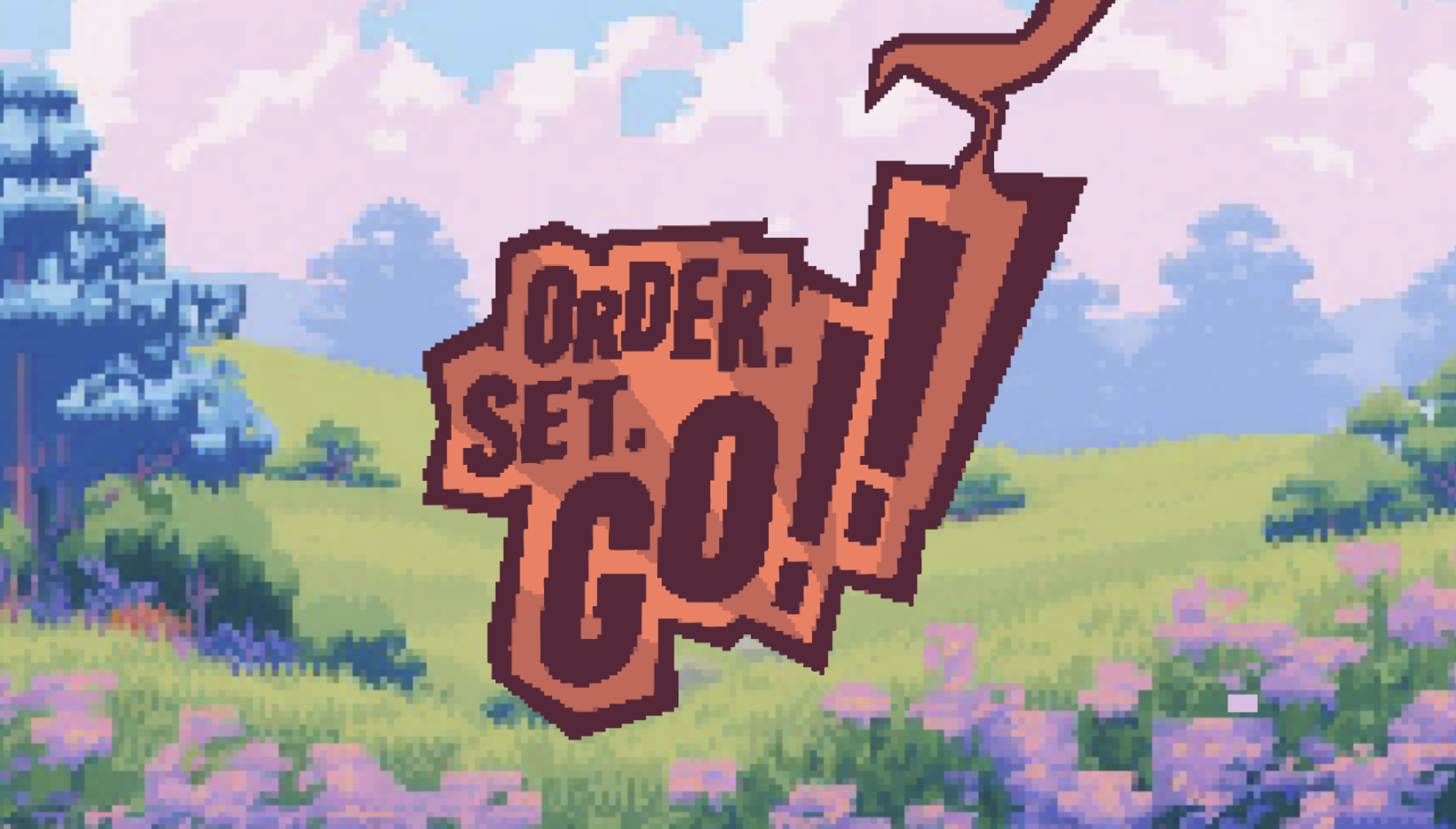
“Order, Set, Go!”
Our solution to this problem was to create engaging mini-games on Orderly’s platforms that serve as “brain breaks”. During my initial research, I found that mobile mini-games overwhelmingly resonate with this demographic, with 86% utilizing smartphones for gaming.
This strategic choice to implement mini-games into the ordering experience helps to keep Orderly users engaged and on the app during the delivery process, while in turn reducing stress, lowering cortisol levels, and allowing these busy individuals to really enjoy the meal time experience as a whole.
Gamification strategies like leaderboards and social challenges, is linked with improved mood, greater motivation, and increased time spent on platform
the games
This series of mini games centered around the food delivery experience. These fast-paced games are highly interactive and incorporate the user’s phone, as they require actions such as tilting, tapping, and shaking. These interactive mini games are also social in nature, as they allow for users to compare scores and share with friends. Lastly, these games are customizable and brandable to the app platform, resulting in greater brand awareness and recognition and the potential for ad placements from partners.